01
Nile communities
Food production and seasonal movement reshape local landscapes.
MATERIAL
02
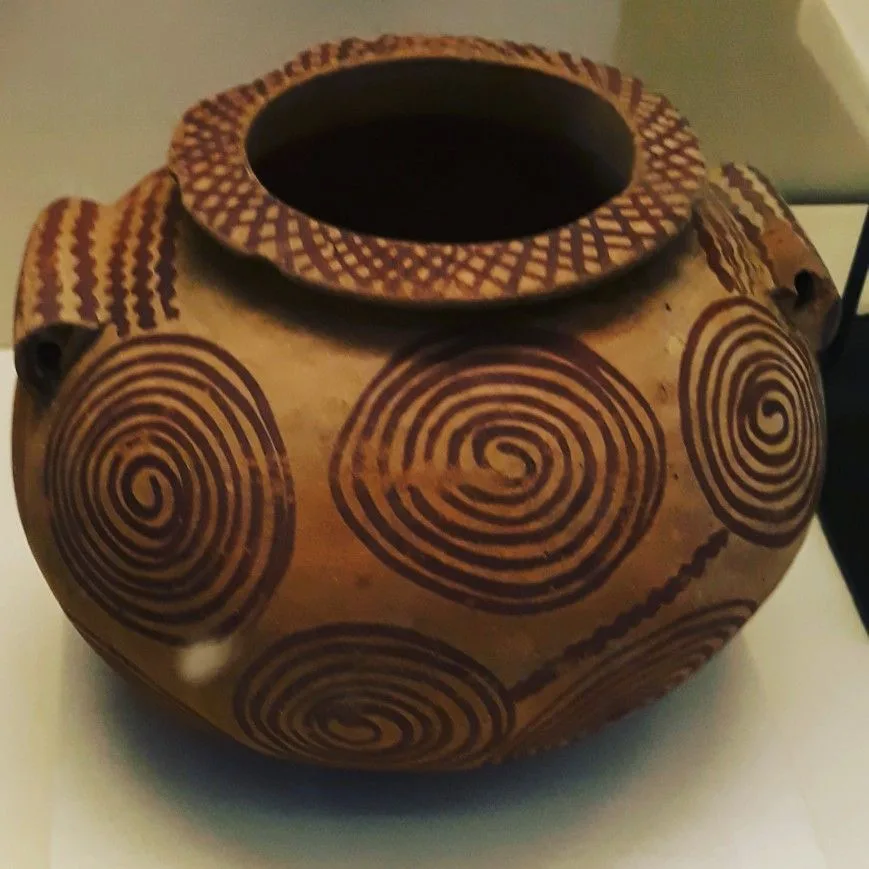
Naqada I
Regional material traditions become visible through excavated
sequences.
TEXT + CONTEXT
03
Naqada II
Exchange networks and shared visual forms expand.
CHANGE POINT
04
Early writing
Labels and signs enter administrative and ceremonial contexts.
MATERIAL
05
Political consolidation
Royal imagery frames territorial power as unification.
TEXT + CONTEXT
06
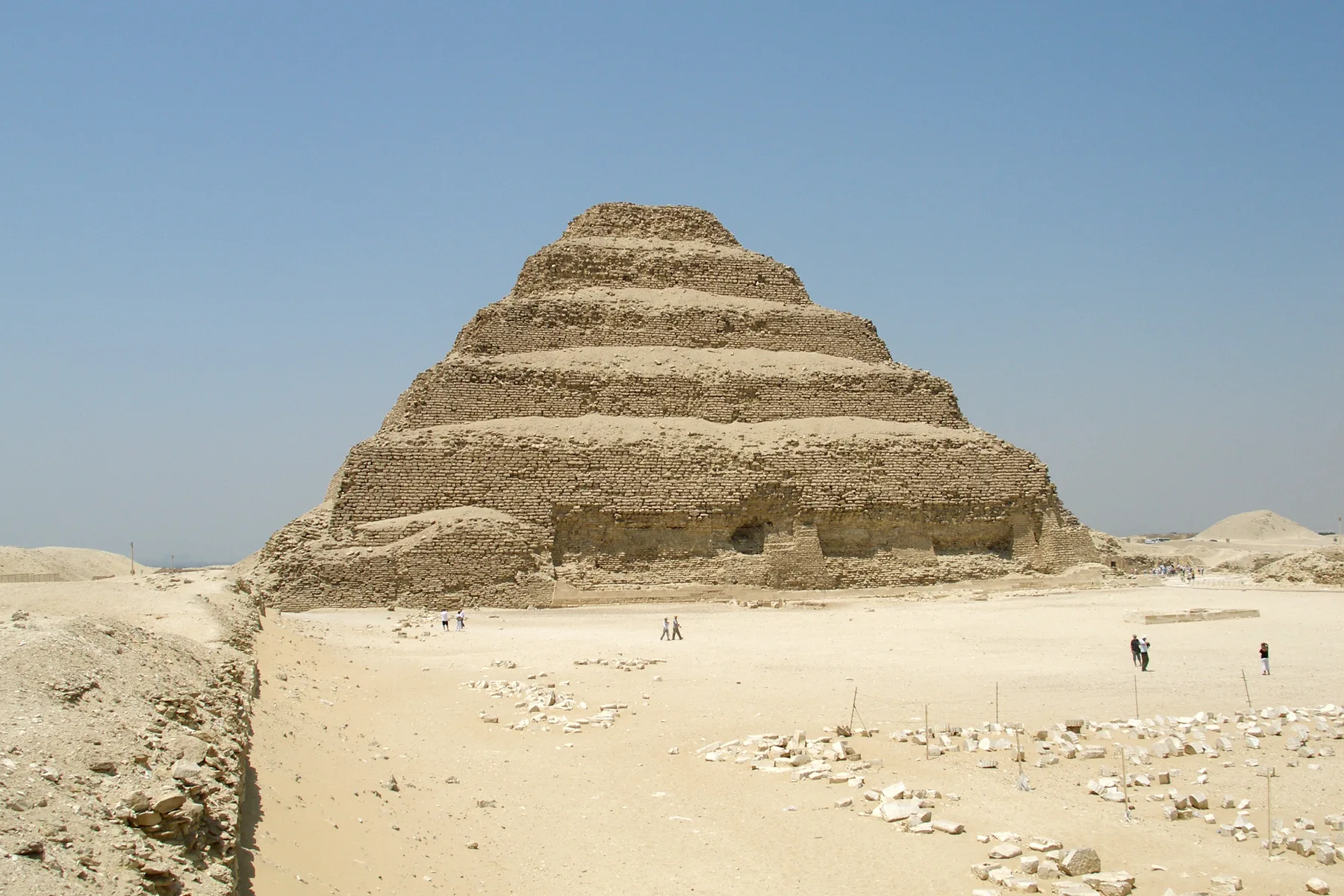
Djoser’s reign
A monumental complex at Saqqara develops through construction
stages.
CHANGE POINT
07
Sneferu’s projects
Pyramid forms are tested at Meidum and Dahshur.
MATERIAL
08
Giza plateau
Royal complexes transform labour, supply and landscape.
TEXT + CONTEXT
09
Pyramid Texts
Royal mortuary utterances appear on pyramid interiors.
CHANGE POINT
10
Middle Kingdom
Political reunification is narrated through a new royal order.
MATERIAL
11
Senusret III
Frontier works and administration reshape the southern border.
TEXT + CONTEXT
12
Second Intermediate Period
Multiple centres compete and connect across regions.
CHANGE POINT
13
New Kingdom
Theban rulers establish a new imperial phase.
MATERIAL
14
Hatshepsut
Kingship, trade and monument building receive a distinctive
programme.
TEXT + CONTEXT
15
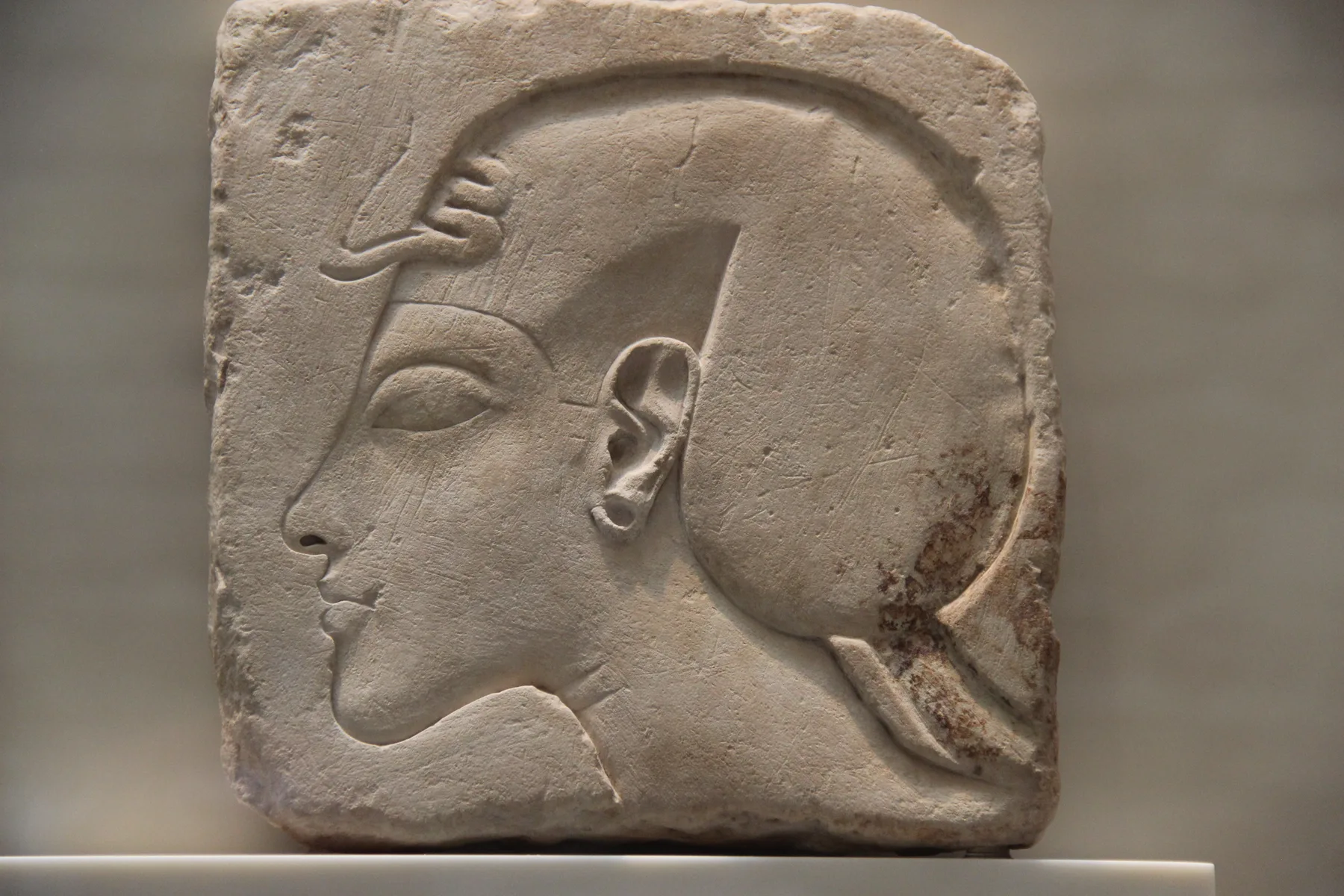
Amarna episode
A new capital and visual-religious programme disrupt convention.
CHANGE POINT
16
Tutankhamun
The court restores cults and moves away from Amarna.
MATERIAL
17
Ramesses II
Building and inscription extend royal presence across Egypt and
Nubia.
TEXT + CONTEXT
18
New political map
Authority becomes distributed among several centres.
CHANGE POINT
19
Libyan dynasties
Family networks and regional power redefine kingship.
MATERIAL
20
Kushite expansion
Rulers from Kush establish Egypt’s Twenty-fifth Dynasty.
TEXT + CONTEXT
21
Saite rule
Political consolidation centres on Sais and Mediterranean
networks.
CHANGE POINT
22
Achaemenid conquest
Egypt becomes part of a wider Persian imperial system.
MATERIAL
23
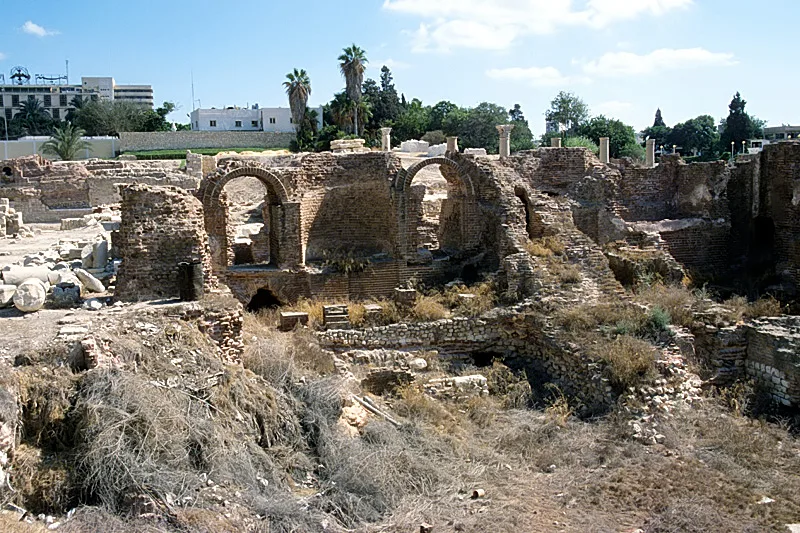
Alexander enters Egypt
A new Mediterranean foundation is planned at Alexandria.
TEXT + CONTEXT
24
Ptolemaic kingdom
A Macedonian dynasty claims pharaonic and Mediterranean authority.
CHANGE POINT
25
Memphis decree
One priestly decree is inscribed in three scripts.
MATERIAL
26
Roman province
Imperial administration redirects tax, grain and military power.
TEXT + CONTEXT
27
Portrait practices
Panel portraits connect local, Greek and Roman visual worlds.
CHANGE POINT
28
Christian institutions
Churches and monasteries transform religious landscapes.
MATERIAL
29
Late antique learning
Alexandrian classrooms and scholarship continue to change.
TEXT + CONTEXT
30
New administration
Arab conquest introduces another political and linguistic order.
CHANGE POINT
31
al-Qahira founded
The Fatimids establish a palace city north of Fustat.
MATERIAL
32
al-Azhar
A congregational mosque develops into a lasting institution.
TEXT + CONTEXT
33
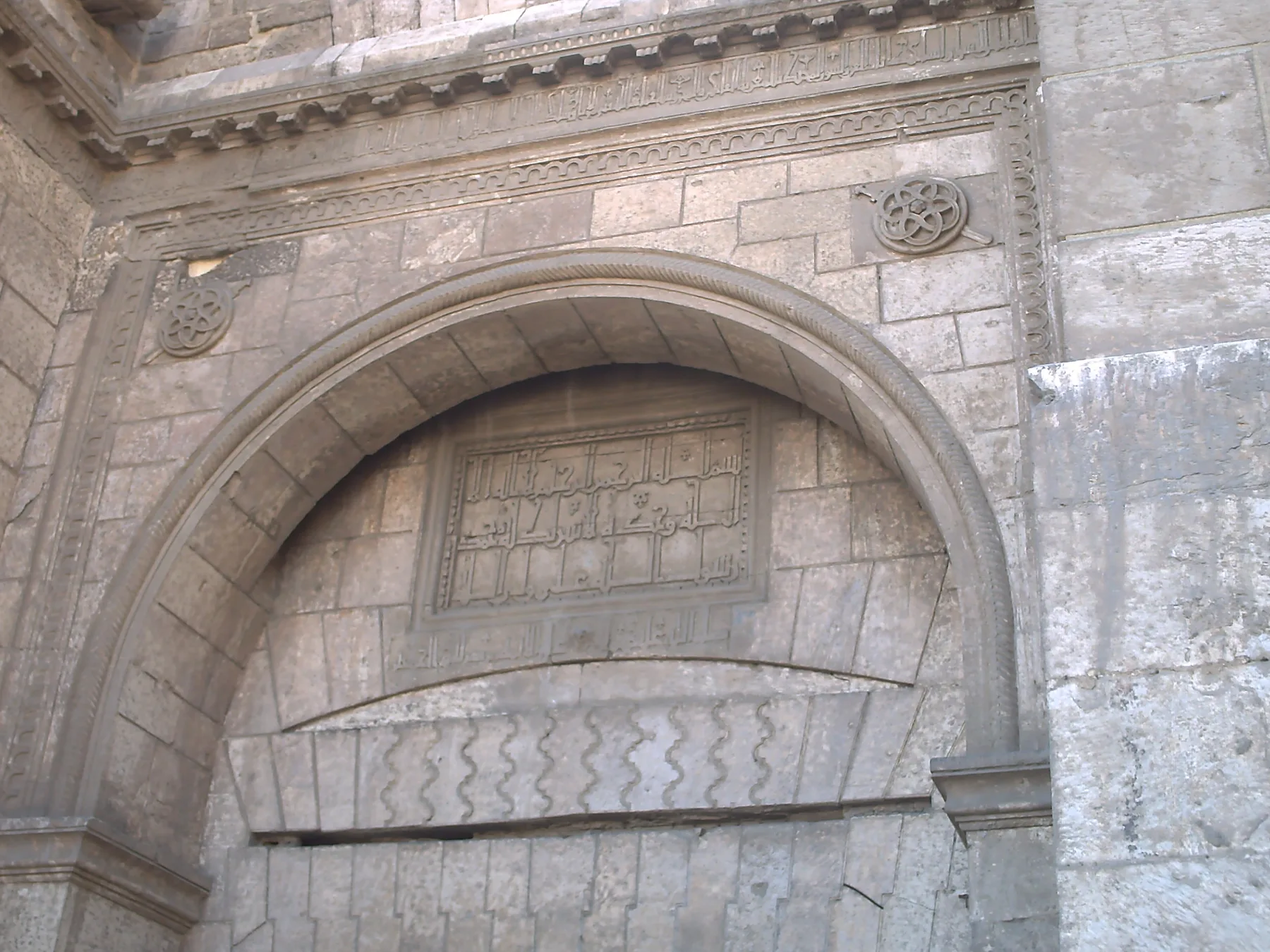
Stone gates
New walls and monumental gates redefine Fatimid Cairo.
CHANGE POINT
34
Fatimid rule ends
Ayyubid authority recodes institutions and urban priorities.
MATERIAL
35
Citadel project
A fortified centre shifts the geography of rule.
TEXT + CONTEXT
36
Mamluk sultanate
Military households and endowments transform the capital.
CHANGE POINT
37
Plague reaches Egypt
Demography and urban life face repeated epidemic shocks.
MATERIAL
38
Ottoman conquest
Cairo enters a new imperial system while remaining a major city.
TEXT + CONTEXT
39
French expedition
Military occupation arrives with intensive European documentation.
CHANGE POINT
40
Hieroglyphic decipherment
Champollion announces a major breakthrough in reading scripts.
MATERIAL
41
Antiquities ordinance
State policy begins to regulate excavation and export.
TEXT + CONTEXT
42
Antiquities Service
Mariette leads a new institution and museum at Bulaq.
CHANGE POINT
43
Suez Canal opens
A global shipping route changes economy, empire and settlement.
MATERIAL
44
Tahrir museum
The Egyptian Museum’s purpose-built home opens in Cairo.
TEXT + CONTEXT
45
Tutankhamun’s tomb
Excavation, media and ownership debates become globally entangled.
CHANGE POINT
46
Egyptian revolution
Monarchy ends and state priorities shift.
MATERIAL
47
Nubian campaign
UNESCO launches an international response to threatened monuments.
TEXT + CONTEXT
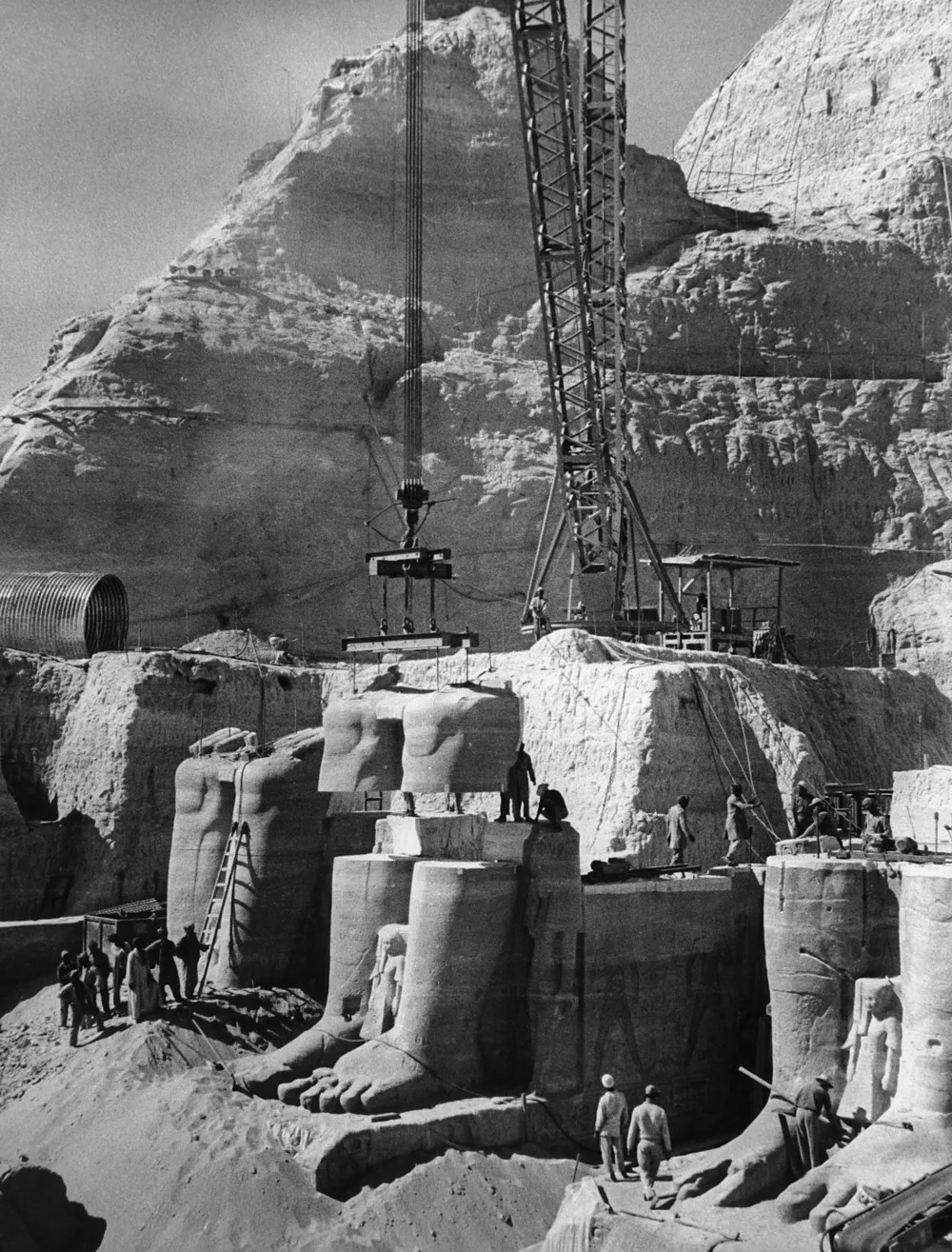
48
Abu Simbel cut
Dismantling begins before reassembly above the future reservoir.
CHANGE POINT
49
High Dam inaugurated
Lake Nasser transforms environment, settlement and archaeology.
MATERIAL
50
Nubian Museum opens
A museum in Aswan presents Nubian histories across deep time.
TEXT + CONTEXT
51
Bibliotheca Alexandrina
A new institution reworks the memory of the ancient library.
CHANGE POINT
52
Royal Mummies Parade
Museum transfer becomes a televised state ceremony.
MATERIAL
53
The timeline stays open
New finds, methods and community voices keep revising the record.
TEXT + CONTEXT
 01 / 06